Whole-body nutrition therapy guide
Endocrine System Nutrition and Hormone Health
By Rozalia Kieliszkiewicz · Updated
The endocrine system includes glands such as the thyroid, pituitary, adrenal glands and pancreas. These glands release hormones that help coordinate metabolism, growth, stress responses, blood sugar, sleep, reproduction and many other body functions.
Nutrition provides the energy, protein, fats, vitamins and minerals involved in normal hormone production and metabolic health. Food and supplements cannot diagnose or independently correct every hormonal concern. Fatigue, weight changes, menstrual changes, sleep disruption and mood symptoms can have many causes and may require appropriate assessment.
A supportive approach begins with regular nourishment, balanced meals, consistent sleep and movement, followed by individually appropriate testing or supplementation when indicated.
Theme: Metabolic rhythm, steady nourishment, hormone education and embodied self-awareness
Chakra reflection: Solar Plexus and Sacral
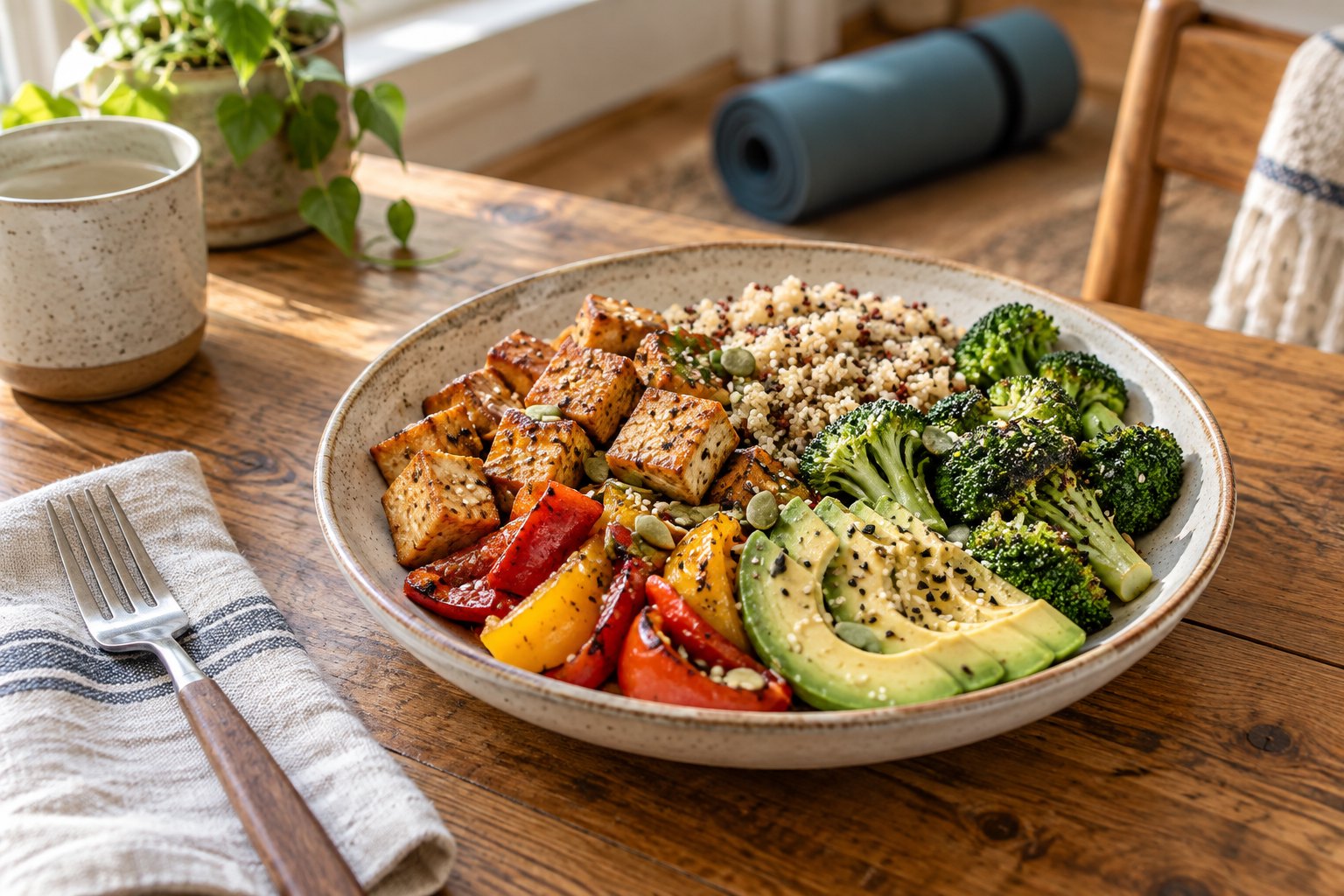
Foods and Eating Patterns That Support Endocrine Wellness
No single food can balance all hormones. Build an endocrine-supportive eating pattern around:
- Regular, balanced meals: Combine protein, fibre-rich carbohydrates and unsaturated fats to support nourishment, fullness and steadier energy.
- Protein foods: Fish, poultry, eggs, yogurt, tofu, tempeh, beans and lentils provide amino acids used throughout the body.
- Fibre-rich carbohydrates: Oats, barley, beans, lentils, whole grains, vegetables and fruit support digestive and metabolic health.
- A variety of fruit: Berries, apples, citrus fruit, pears, kiwi, bananas and other suitable fruit can be included. Fruit does not need to be restricted to a short low-glycemic list.
- Healthy fats: Olive oil, avocado, nuts, seeds and fatty fish provide unsaturated fats. Ghee can be used according to preference but is not uniquely hormone-balancing.
- Iodine-containing foods: Iodized salt, seafood, dairy foods and some fortified alternatives contribute iodine. Amounts vary; check labels on plant-based alternatives.
- Selenium and zinc foods: Seafood, eggs, meat, beans, lentils, nuts and seeds contribute minerals involved in normal body functions.
- Calcium and vitamin D sources: Suitable dairy products, fortified alternatives, fish and other fortified foods support bone and general health.
Cruciferous vegetables, including broccoli, cabbage, cauliflower and kale, can remain part of a varied diet. They are not estrogen detoxifiers. Reasonable portions are generally not a thyroid concern when iodine intake is adequate; extreme intake and concentrated products deserve individual review.
For practical meal planning, explore personalized hormone-health nutrition guidance with an Ottawa holistic nutritionist, available through online holistic nutrition counselling.
Endocrine Supplements and Herb Safety
Select supplements according to diet, symptoms, health history, medications, test results and the reason for use. Review concentrated products before starting or combining them.
- Iodine: Required for thyroid hormone production, but more is not always better. Excessive intake can disrupt thyroid function. Avoid routine high-dose supplementation unless an individual need has been established.
- Ashwagandha: Some preparations have evidence for stress and sleep, but it is not a universal hormone treatment. It may interact with thyroid hormone, diabetes, blood-pressure, sedative, anticonvulsant and immune-suppressing medications. Avoid during pregnancy and breastfeeding; NCCIH does not recommend it with thyroid or autoimmune disorders or before surgery. Rare liver injury has been reported.
- Maca and schisandra: Optional herbs with limited condition-specific evidence, rather than universal hormone-balancing treatments. Review pregnancy, medications and individual health conditions before use.
- DIM: Not a general estrogen detoxification product. Suitability depends on medications, hormone-sensitive conditions and the reason it is being considered.
- Vitamin D: Use an individually appropriate amount based on diet, risk factors, supplementation history and testing when indicated. Excessive supplemental intake can cause harmful calcium elevations and medication interactions.
- Vitamin K2: Consider separately rather than automatically combining it with vitamin D. People taking warfarin or similar anticoagulants need review before changing vitamin K intake.
A symptom and supplement assessment can help organize your intake and questions. Nutrition coaching complements established care and does not prescribe changes to medication.
Everyday Practices That Support Hormonal and Metabolic Health
- Maintain a reasonably consistent sleep-and-wake schedule that provides adequate rest and fits work, family responsibilities and your natural rhythm.
- Use morning daylight to support circadian timing when practical.
- Combine resistance training, aerobic movement and recovery according to current ability.
- Eat sufficiently and regularly rather than relying on restrictive hormone-reset diets.
- Include stress-management practices such as comfortable breathing, walking, journaling or gentle yoga.
- Limit caffeine when it worsens anxiety, palpitations or sleep.
- Track symptoms, menstrual patterns, sleep and energy without treating an app as a diagnosis.
- Follow established care for diagnosed thyroid, adrenal, reproductive or blood-sugar conditions.
Learn more about stress responses and nervous-system regulation, hormones and reproductive wellness, and digestion and nutrient availability.
Solar Plexus and Sacral Chakra Reflection
The Solar Plexus Chakra offers a symbolic framework for confidence, agency, boundaries and personal energy. The Sacral Chakra invites reflection on creativity, pleasure, emotional movement and relationship with the body.
These themes are reflective rather than diagnostic. Thyroid conditions, diabetes, menstrual disorders and other endocrine concerns are not caused by blocked creativity or diminished personal power.
Optional practices include journaling, comfortable movement, creative expression, yellow or orange visualization and reflection on where routines feel nourishing or depleting.
Endocrine Nutrition: Common Questions
Can food balance hormones?
Food provides energy and nutrients involved in normal hormone production and metabolic health, but no single food can balance every hormone. Nutrition can support general wellness while persistent symptoms may require testing and appropriate care.
Should everyone take iodine for thyroid health?
No. Iodine is essential, but excessive intake can disrupt thyroid function. Supplements should reflect diet, health history, medication use and an established need.
Is ashwagandha safe for thyroid support?
Not for everyone. Ashwagandha may affect thyroid function and interact with thyroid medication and other medicines. It should be avoided during pregnancy and breastfeeding and is not recommended for people with thyroid or autoimmune disorders or those about to have surgery.
Do cruciferous vegetables harm the thyroid?
Reasonable portions of broccoli, cabbage, kale and other cruciferous vegetables can generally be included in a varied diet when iodine intake is adequate. Extreme intake or concentrated products should be considered individually.
Can holistic nutrition help with hormonal symptoms?
Holistic nutrition can help review eating patterns, nutrient intake, supplements, sleep, stress and movement. It cannot diagnose an endocrine condition, but it can complement appropriate assessment and established care.
Choose a Personalized Nutrition Pathway
Explore a lab-informed metabolic nutrition pathway or personalized genetic nutrition insights. These programs support food planning and education; they do not diagnose hormonal conditions or guarantee hormone balance.
Book a Holistic Nutrition Consultation with Rozalia to review your food patterns, symptoms, supplements, routines, preferences and goals.
Sources and Further Reading
- NIH Office of Dietary Supplements: Iodine
- NCCIH: Ashwagandha usefulness and safety
- NIH Office of Dietary Supplements: Vitamin D
- NIH Office of Dietary Supplements: Vitamin K
General wellness education, with spiritual reflection offered as an optional personal practice.